A Path Forward for Deaf Nonprofits: Legislative Advocacy
I’ve learned that there’s tremendous power in showing up, in being seen and heard, and in taking a stand on issues that affect our communities. And I learned that from a surprising person and place: a drag queen in Texas.
Last year, during the Texas legislative session, a local drag queen named Brigitte Bandit hosted weekly gatherings at Oilcan Harry’s in Austin. She rallied the community to stay informed on bills that could help or harm LGBTQIA+ Texans and pushed us to show up when it mattered.
Bandit often emphasized the importance of being present at the Capitol, noting that many LGBTQIA+ individuals cannot afford to take time off or travel long distances to oppose harmful bills. It was up to locals to show up for those who couldn’t.
And I did. Every chance I got.
The Power of Being Seen
I showed up often to the Capitol, even if that simply meant “dropping a card” to register support or opposition to a bill. Over time, I became a familiar face in those halls.
Bandit also encouraged me to attend Austin’s LGBTQ Quality of Life Advisory Commission meetings. I learned how city decisions shape issues like safety, housing, and access to services. I gained a deeper understanding of how those structures work to address community needs. After several months of attending, a commissioner approached me to ask what brought me there.
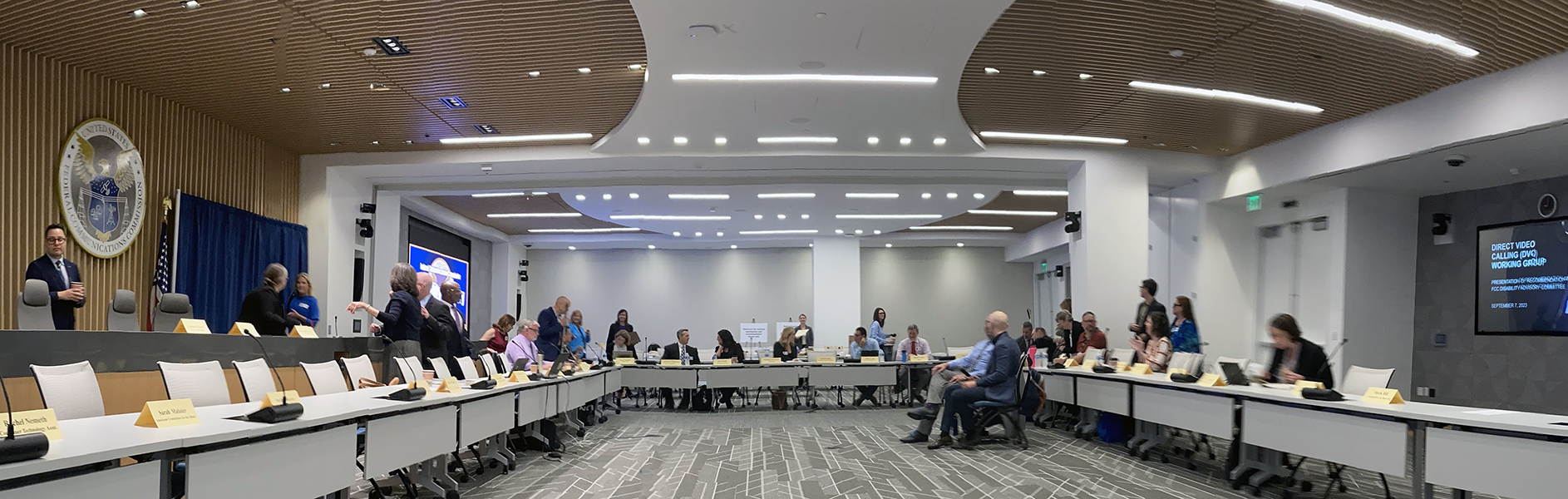
Here’s the truth: as I kept showing up, something became painfully clear. I wasn’t seeing anyone from the deaf community in these rooms.
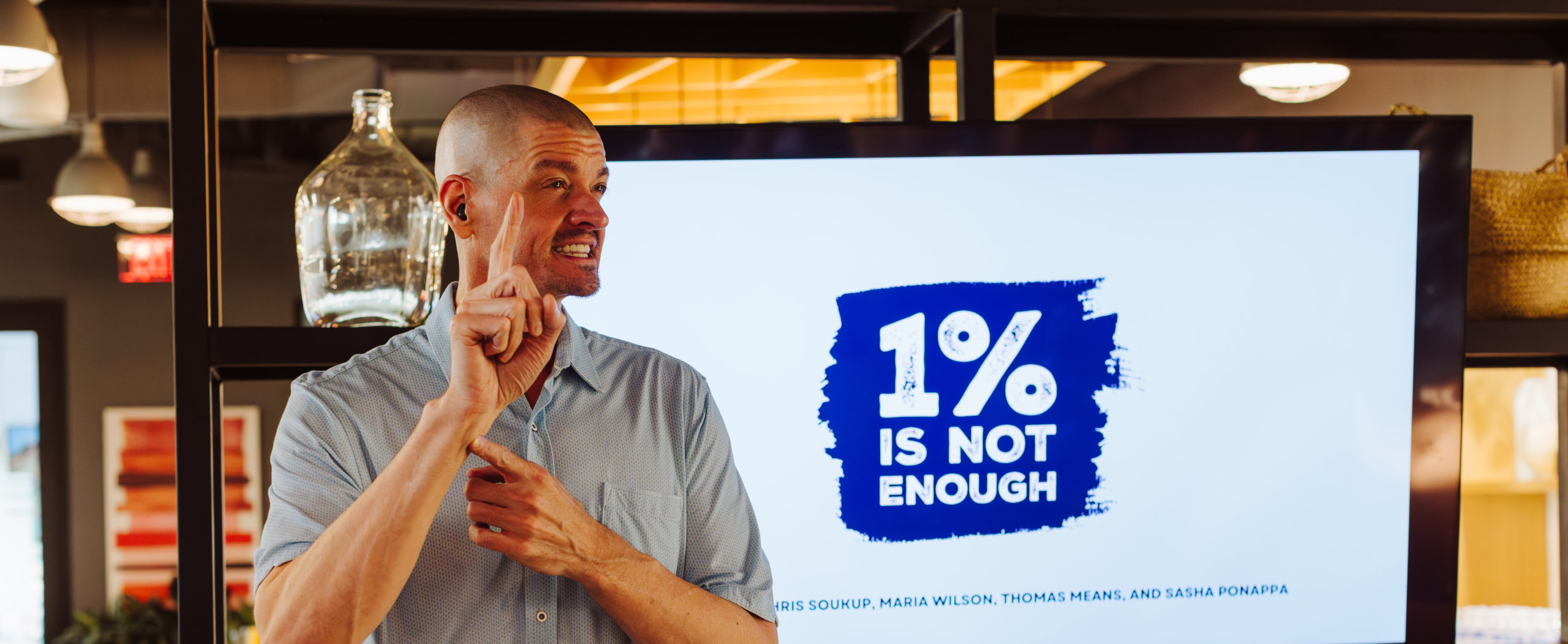
Deaf nonprofits are constantly struggling to stay afloat, fighting for resources and visibility. Just 1% of national philanthropic funding reaches disability-focused organizations, with even less supporting deaf organizations. Austin is home to one of the largest deaf populations in the country, yet our community was missing from funders and politicians' tables. So I showed up for us.
The Power of Being Heard
Being visible creates opportunities to be heard.
I was invited to roundtable discussions with city leaders and fellow advocates to talk about urgent community needs.
At one meeting, city council members shared that Austin might lose a portion of its federal funding due to recent changes to Diversity, Equity, and Inclusion (DEI) policies. I raised a concern that some accommodations protected by the Americans with Disabilities Act (ADA) were being miscategorized as DEI initiatives. Accessibility is not optional—after all, the ADA is a long-standing federal law. People in the room took note, and that clarification helped ensure critical protections for disabled people would not be lost.
At another roundtable, which included the district attorney, I voiced concerns about House Bill 1106, which removes protections for LGBTQIA+ youth by prioritizing parents’ refusal to affirm a child’s identity. I shared that a deaf youth was already being harmed as a result of this legislation bill. Others in the room confirmed similar harm in their own communities.
By making my concerns heard, this led to follow-up conversations on how we could better protect LGBTQIA+ youth going forward.
The Power of Taking a Stand
Speaking up led to more opportunities to bridge gaps.
Travis County Services for the Deaf and Hard of Hearing invited me to share how they could better support deaf LGBTQIA+ community members. I encouraged them to partner with organizations that already have expertise serving LGBTQIA+ people. These collaborations later came in handy when urgent support was needed for a deaf survivor of abuse.
When we build cross-community partnerships, more efficient support can be provided to our communities. In emergent situations, strong partnerships allow organizations to act fast.
Key Takeaways
Local and state governments cannot meet every community’s needs. And this is why organizations fill those gaps. Too often, Deaf organizations are left out of meaningful conversations or treated as an afterthought, which makes it important for us to be present in these spaces. To effectively advocate for our communities, we must:
- Be seen: show up where decisions are being made
- Be heard: raise concerns and share lived experience
- Take a stand: support and defend your community when it counts
Who knew a drag queen, not a politician or city official, would teach me what real community engagement looks like?
Showing up as a deaf person can be isolating due to communication barriers. So, bring friends, build allies, and keep returning. Each time you show up, you gain more opportunities to be seen, heard, and to stand for your community.
It starts with you.
NOTE: The author recognizes that LGBTQIA+ individuals may have different intersecting identities, and confront various systemic issues such as: immigration, racism, transphobia, ableism, aging, and barriers to public safety, education, and healthcare.